
Osmos Global Publication · Osmos Perspective
Asset Criticality Must Reflect Business Consequence
Engineering importance and enterprise importance must connect
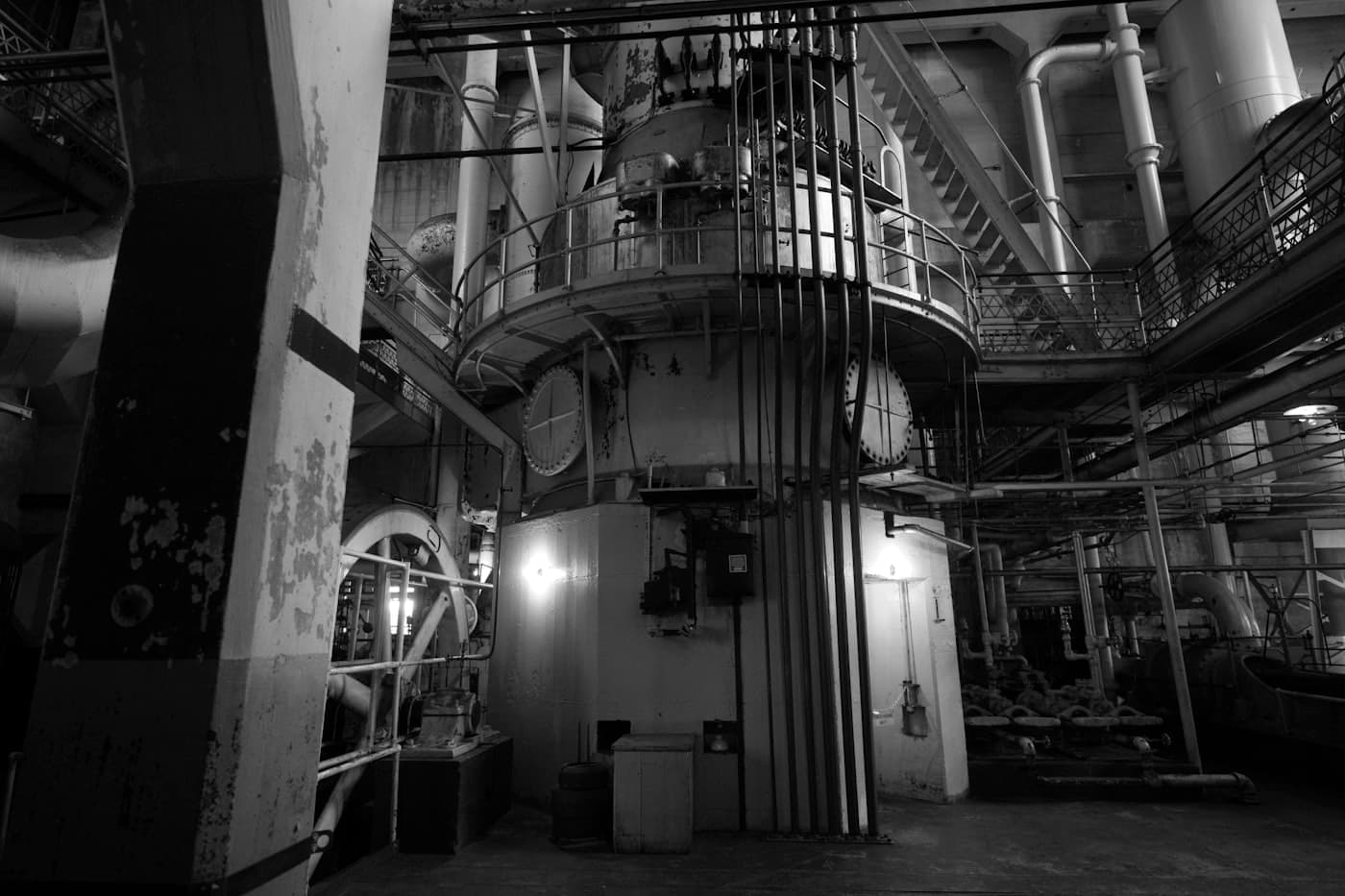
Traditional criticality schemes can focus narrowly on equipment type or replacement cost. Business consequence may depend instead on process dependency, redundancy, safety, customer impact and recovery time.
Analysis
Osmos Global analysis: criticality should begin with failure scenarios. What service stops? Who is exposed? How quickly is failure detected? What backup exists? How long does recovery take?
The resulting model should remain understandable enough for finance, safety and business leaders to challenge.
Leadership implication: a shared consequence model reduces disputes between technical and financial teams and creates consistency across maintenance and capital decisions.
Decision lens
Recommended action. Validate criticality ratings through cross-functional failure-mode workshops for the most important systems.
Cite this
Osmos Global Research & Knowledge Centre (2026). Asset Criticality Must Reflect Business Consequence. Osmos Perspective, Osmos Global. https://www.osmosglobal.org/articles/asset-criticality-must-reflect-business-consequence
Keep reading

Smart-Building Pilots Need an Operating Owner
An experiment becomes useful only when someone owns the decision it is meant to improve.
1 Sept 2026 · Osmos Global Research & Knowledge Centre · 5 min read

An Alert Is Not a Maintenance Outcome
Analytics creates value through verified correction, not the number of faults displayed.
1 Sept 2026 · Osmos Global Research & Knowledge Centre · 5 min read

Sensor Coverage Is Not Data Quality
Connected points need identities, context and a known level of trust before they can support decisions.
1 Sept 2026 · Osmos Global Research & Knowledge Centre · 5 min read
Download this paper
The full PDF, formatted for circulation. Downloads are for members, so that we know who our research reaches.
Discussion
Add what you are seeing on the ground.