
Osmos Global Publication · Osmos Perspective
Attendance Is Not Occupancy
Five workplace metrics that should never be used as synonyms
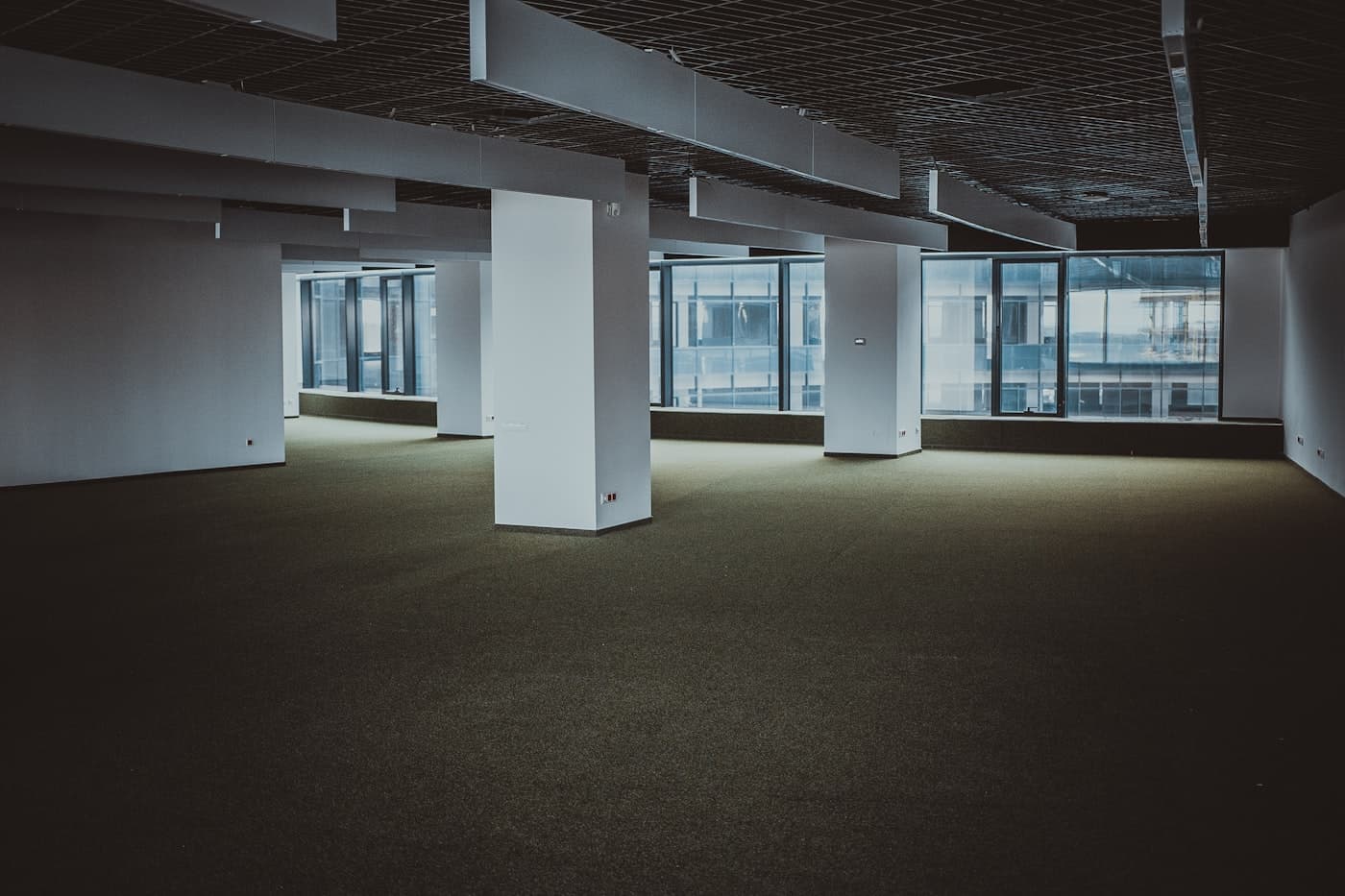
The return-to-office conversation has created a language problem with capital consequences. Attendance describes people showing up; occupancy describes whether a space is occupied at a point in time; utilisation describes the intensity of use against available capacity. Policy compliance, preference and workplace effectiveness answer still different questions.
Analysis
JLL reported 56% global utilisation in its 2026 occupancy benchmark, while CBRE reported 53% in a separate global study.[1][2] Both indicate higher use, but neither figure tells us how many days an average employee attended. Conversely, CBRE's Americas finding that organisations expected 3.2 days and reported 2.9 days of show-up does not reveal how fully desks and rooms were used.[3] The distinction matters because different decisions require different denominators. HR may need the share of eligible employees meeting a policy. FM needs demand by hour, zone and asset. CRE needs sustained capacity requirements and lease exposure. A CEO may need evidence about collaboration, retention or customer outcomes. One metric cannot answer all four.
Osmos Global analysis: a workplace dashboard should begin with a measurement contract. Each metric must name its population, location, period, numerator, denominator and exclusions. “Utilisation is 55%” is incomplete. “Observed occupied workpoints as a share of available workpoints, averaged across monitored hours in eligible buildings” is decision-ready—provided sensor rules and missing data are also disclosed.
Action for leaders: stop presenting an undifferentiated “office use” number. Report policy expectation, employee frequency, hourly space demand, experience and portfolio outcome on separate lines. Then state the hypothesis connecting them. This small discipline can prevent a large real-estate mistake.
Decision lens
Recommended action. Before using a workplace metric, require the team to state its denominator, population, location and time window.
Evidence basis: JLL occupancy benchmark 2026; CBRE global workplace 2026; CBRE Americas sentiment 2025. Public-page limitations apply where full reports are restricted. Rights: Original Osmos Global analysis; no third-party visual or protected table reproduced. Confirm licence status before publication.
Cite this
Osmos Global Research & Knowledge Centre (2026). Attendance Is Not Occupancy. Osmos Perspective, Osmos Global. https://www.osmosglobal.org/articles/attendance-is-not-occupancy
Keep reading

Smart-Building Pilots Need an Operating Owner
An experiment becomes useful only when someone owns the decision it is meant to improve.
1 Sept 2026 · Osmos Global Research & Knowledge Centre · 5 min read
An Alert Is Not a Maintenance Outcome
Analytics creates value through verified correction, not the number of faults displayed.
1 Sept 2026 · Osmos Global Research & Knowledge Centre · 5 min read

Sensor Coverage Is Not Data Quality
Connected points need identities, context and a known level of trust before they can support decisions.
1 Sept 2026 · Osmos Global Research & Knowledge Centre · 5 min read
Download this paper
The full PDF, formatted for circulation. Downloads are for members, so that we know who our research reaches.
Discussion
Add what you are seeing on the ground.