
Osmos Global Publication · Osmos Perspective
China’s Existing Buildings Show the Scale of Efficiency Opportunity
Large technical potential requires policy and operational
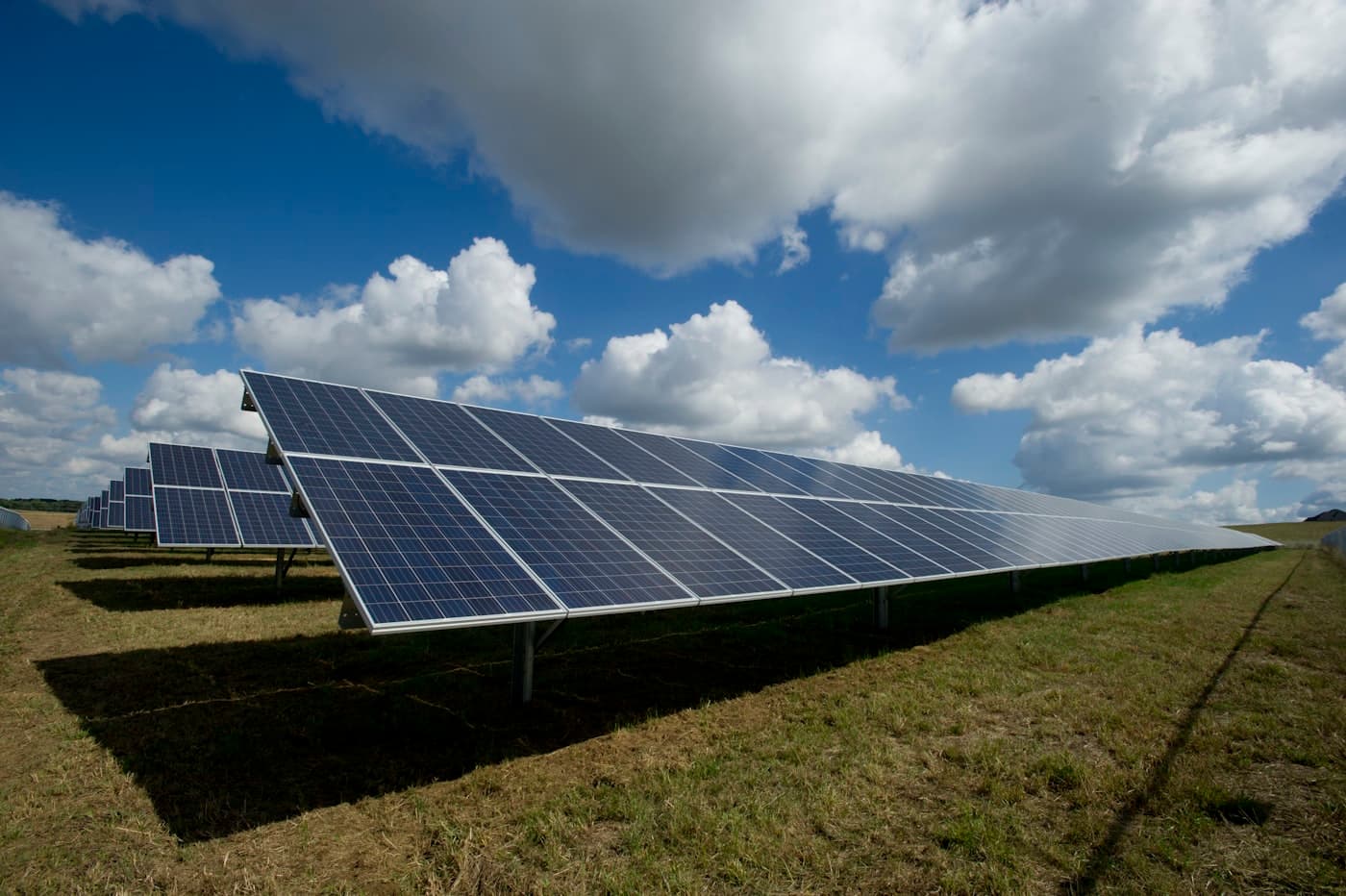
The IEA reported that buildings account for approximately 20% of China's final energy consumption and estimated that strong policy and best-in-class technology could reduce energy use by up to 65% in buildings constructed from 1995 to 2010, saving more than 8,000 PJ.[13]
Analysis
This is a modelled potential for a defined building cohort, not a guaranteed result for every property or country.
Osmos Global analysis: the finding demonstrates the strategic importance of existing-building operations and retrofit. Asset condition, controls, incentives, finance and owner-occupier alignment determine how much potential is realised.
Leadership implications
For global owners, the Chinese analysis is a reminder that older portfolios can contain large unrealised potential. For policymakers, standards and incentives must reach existing stock. For operators, technical potential becomes value only through maintainable interventions and reliable controls.
Decision lens
Recommended action. Segment portfolios by age, condition, energy intensity and intervention readiness before setting retrofit priorities.
Cite this
Osmos Global Research & Knowledge Centre (2026). China’s Existing Buildings Show the Scale of Efficiency Opportunity. Osmos Perspective, Osmos Global. https://www.osmosglobal.org/articles/chinas-existing-buildings-show-the-scale-of-efficiency-opportunity
Keep reading

Smart-Building Pilots Need an Operating Owner
An experiment becomes useful only when someone owns the decision it is meant to improve.
1 Sept 2026 · Osmos Global Research & Knowledge Centre · 5 min read
An Alert Is Not a Maintenance Outcome
Analytics creates value through verified correction, not the number of faults displayed.
1 Sept 2026 · Osmos Global Research & Knowledge Centre · 5 min read

Sensor Coverage Is Not Data Quality
Connected points need identities, context and a known level of trust before they can support decisions.
1 Sept 2026 · Osmos Global Research & Knowledge Centre · 5 min read
Download this paper
The full PDF, formatted for circulation. Downloads are for members, so that we know who our research reaches.
Discussion
Add what you are seeing on the ground.