
Osmos Global Publication · Osmos Perspective
Deferred Maintenance Belongs in the Contract Baseline
Providers should not be held accountable for inherited risk that nobody has quantified.
Evidence context
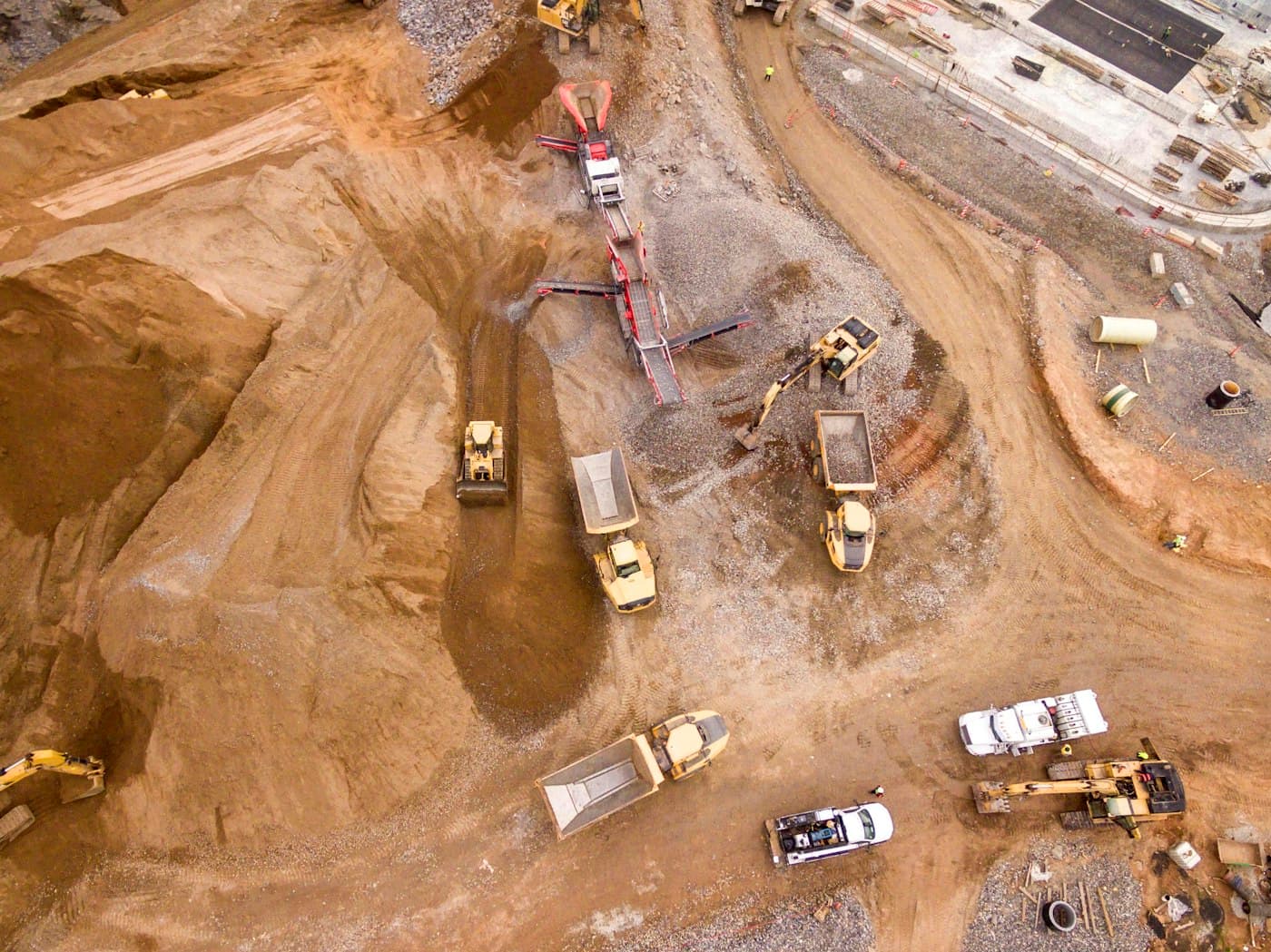
The ABM paper hosted by IFMA describes deferred maintenance as a financial, operational, compliance and resilience risk and advocates movement from reactive work toward long-term capital planning and modernisation.
This is especially important during outsourcing. An incomplete asset register or unknown backlog can turn an apparently fixed-price contract into continuous disagreement about what is included, what failed and who should pay.
Osmos Global analysis
A baseline should record asset existence, condition, criticality, statutory status, known defects, open work and data confidence. Where inspection is incomplete, uncertainty should be quantified and treated through allowances, discovery mechanisms or phased pricing.
The provider’s role must distinguish maintenance execution from capital ownership. Good maintenance can slow deterioration and identify risk; it cannot indefinitely compensate for an asset beyond economic life.
Performance reviews should show backlog movement by risk, not only work-order closure. Closing low-value tasks while critical defects age creates a misleading picture of control.
Leadership implications
For FM and CRE leaders, the issue is governance before mechanics: establish the operating outcome, evidence standard and risk boundary before choosing the commercial mechanism. Procurement leaders should ensure the evaluation model makes lifecycle value and uncertainty visible. Providers should be asked to demonstrate how their proposed method changes decisions, not merely how it produces reports.
Implementation guidance
Start with one service or decision where current performance can be reconstructed. Record the baseline, ownership, data source, approval route and foreseeable failure modes. Pilot the proposed commercial control, review exceptions with frontline teams, and scale only after the evidence survives finance, technical and user scrutiny. This creates a repeatable operating discipline instead of a one-off sourcing event.
Practical actions
• Complete a joint condition and backlog baseline. • Separate inherited defects from in-term performance. • Use risk-weighted backlog measures. • Connect maintenance evidence to capital planning.
Risks, limitations and unresolved questions ABM is a commercial service provider and the public IFMA page summarises rather than exposes the full methodology. Cost multipliers should not be used without primary validation.
Source notes
[1] IFMA Knowledge Library / ABM. Why Deferred Maintenance Has Become a Business Risk. 25 August 2026. https://knowledgelibrary.ifma.org/why-deferred-maintenance-has-become-a-business-risk/ [2] JLL. Global State of Facilities Management Report 2025. 12 November 2025. https://www.jll.com/en-us/insights/global-state-of-facilities-management-report
Cite this
Osmos Global Research & Knowledge Centre (2026). Deferred Maintenance Belongs in the Contract Baseline. Osmos Perspective, Osmos Global. https://www.osmosglobal.org/articles/deferred-maintenance-belongs-in-the-contract-baseline
Keep reading

Smart-Building Pilots Need an Operating Owner
An experiment becomes useful only when someone owns the decision it is meant to improve.
1 Sept 2026 · Osmos Global Research & Knowledge Centre · 5 min read
An Alert Is Not a Maintenance Outcome
Analytics creates value through verified correction, not the number of faults displayed.
1 Sept 2026 · Osmos Global Research & Knowledge Centre · 5 min read
Sensor Coverage Is Not Data Quality
Connected points need identities, context and a known level of trust before they can support decisions.
1 Sept 2026 · Osmos Global Research & Knowledge Centre · 5 min read
Download this paper
The full PDF, formatted for circulation. Downloads are for members, so that we know who our research reaches.
Discussion
Add what you are seeing on the ground.