
Osmos Global Publication · Osmos Perspective
Operational Decarbonisation Starts With How Buildings Are Run
AI may help, but fundamentals and incentives come first
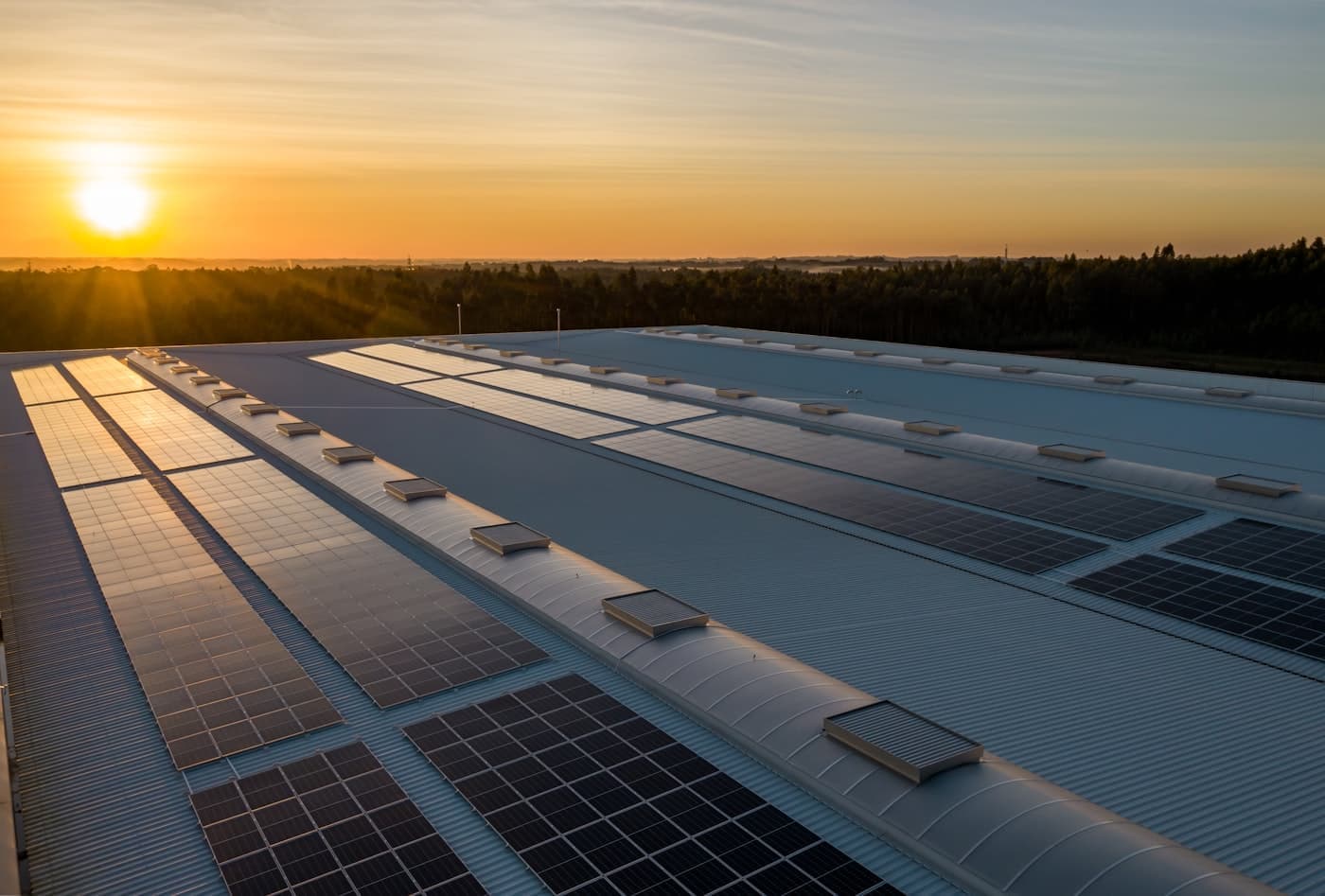
The International Energy Agency's 2025 Energy and AI report estimated that existing AI-led building interventions could save around 300 TWh of electricity globally if scaled.[13] The IEA also identified fragmented ownership, limited digitalisation and inadequate incentives as barriers. WorldGBC's 2026 near-zero emission and resilient buildings framework places operational and embodied emissions alongside efficiency, clean energy, refrigerants, sufficiency and resilience.[14]
Analysis
The scale of the opportunity is significant, but a global modelled estimate is not a guaranteed saving for an individual building. Local climate, operating hours, controls, tariffs, data quality and maintenance condition determine the result.
Osmos Global analysis: decarbonisation should begin with an operational hierarchy. First, verify meters, schedules, setpoints and simultaneous heating/cooling. Second, restore failed controls and maintain plant. Third, match ventilation and conditioning to legitimate demand while protecting health. Fourth, optimise through analytics. Fifth, evaluate capital upgrades against a stable baseline.
This sequence prevents an advanced platform from automating poor practice. It also creates auditable evidence. Energy should be normalised by weather, floor area and meaningful operating demand; for hybrid offices, energy per occupied hour can reveal whether lower attendance actually translates into lower consumption.
Leaders should connect energy, maintenance and workplace teams. A decarbonisation target owned only by sustainability will miss everyday operational decisions. The building performs through schedules, work orders, overrides and procurement—and that is where much of the near-term opportunity sits.
Decision lens
Recommended action. Sequence operational fundamentals before advanced optimisation and normalise energy against real demand.
Evidence basis: IEA Energy and AI 2025; IEA Energy Efficiency 2025; WorldGBC NZERB 2026. Public-page limitations apply where full reports are restricted.
Rights: Original Osmos Global analysis; no third-party visual or protected table reproduced. Confirm licence status before publication.
Cite this
Osmos Global Research & Knowledge Centre (2026). Operational Decarbonisation Starts With How Buildings Are Run. Osmos Perspective, Osmos Global. https://www.osmosglobal.org/articles/operational-decarbonisation-starts-with-how-buildings-are-run
Keep reading

Smart-Building Pilots Need an Operating Owner
An experiment becomes useful only when someone owns the decision it is meant to improve.
1 Sept 2026 · Osmos Global Research & Knowledge Centre · 5 min read
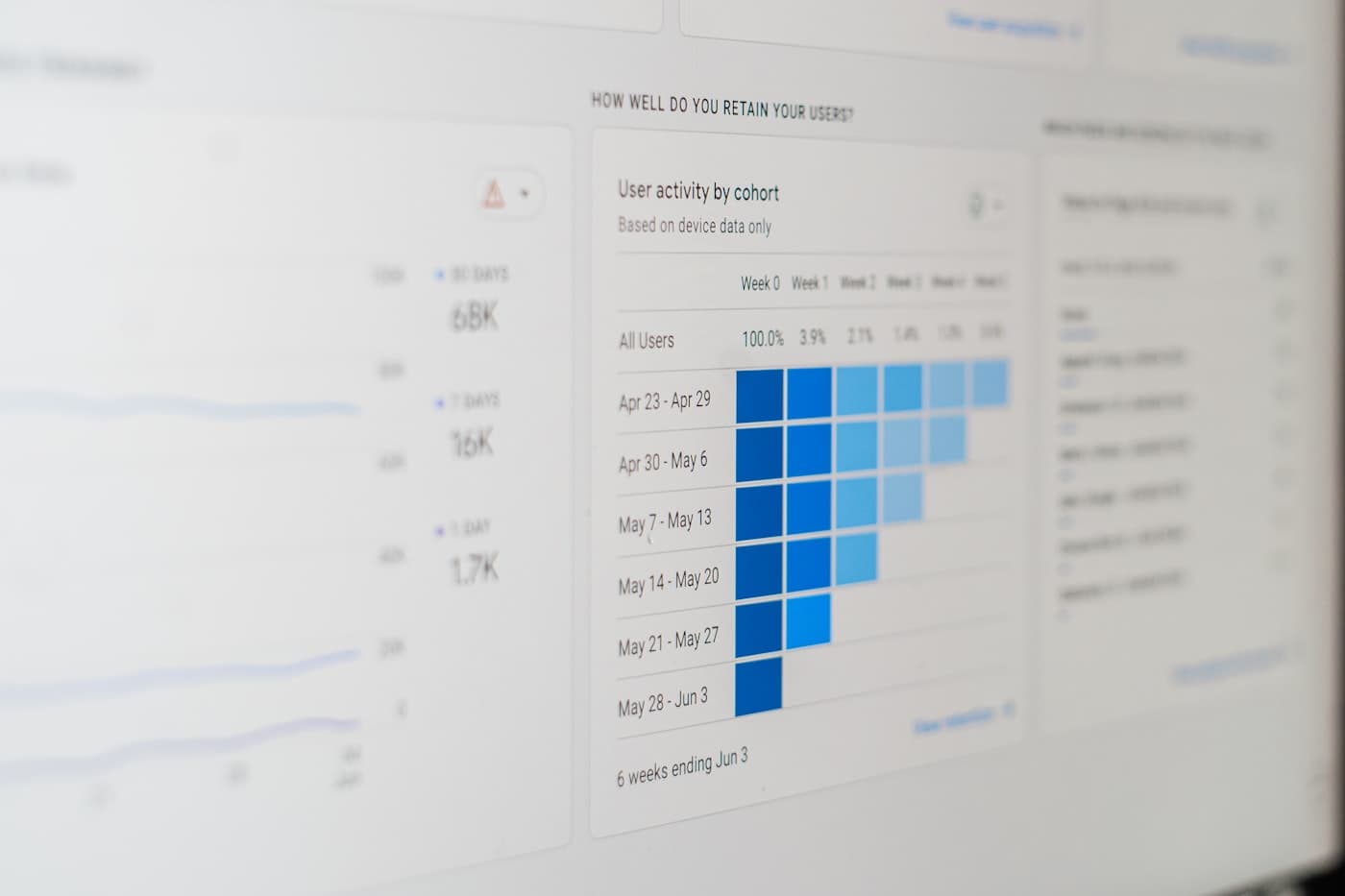
An Alert Is Not a Maintenance Outcome
Analytics creates value through verified correction, not the number of faults displayed.
1 Sept 2026 · Osmos Global Research & Knowledge Centre · 5 min read
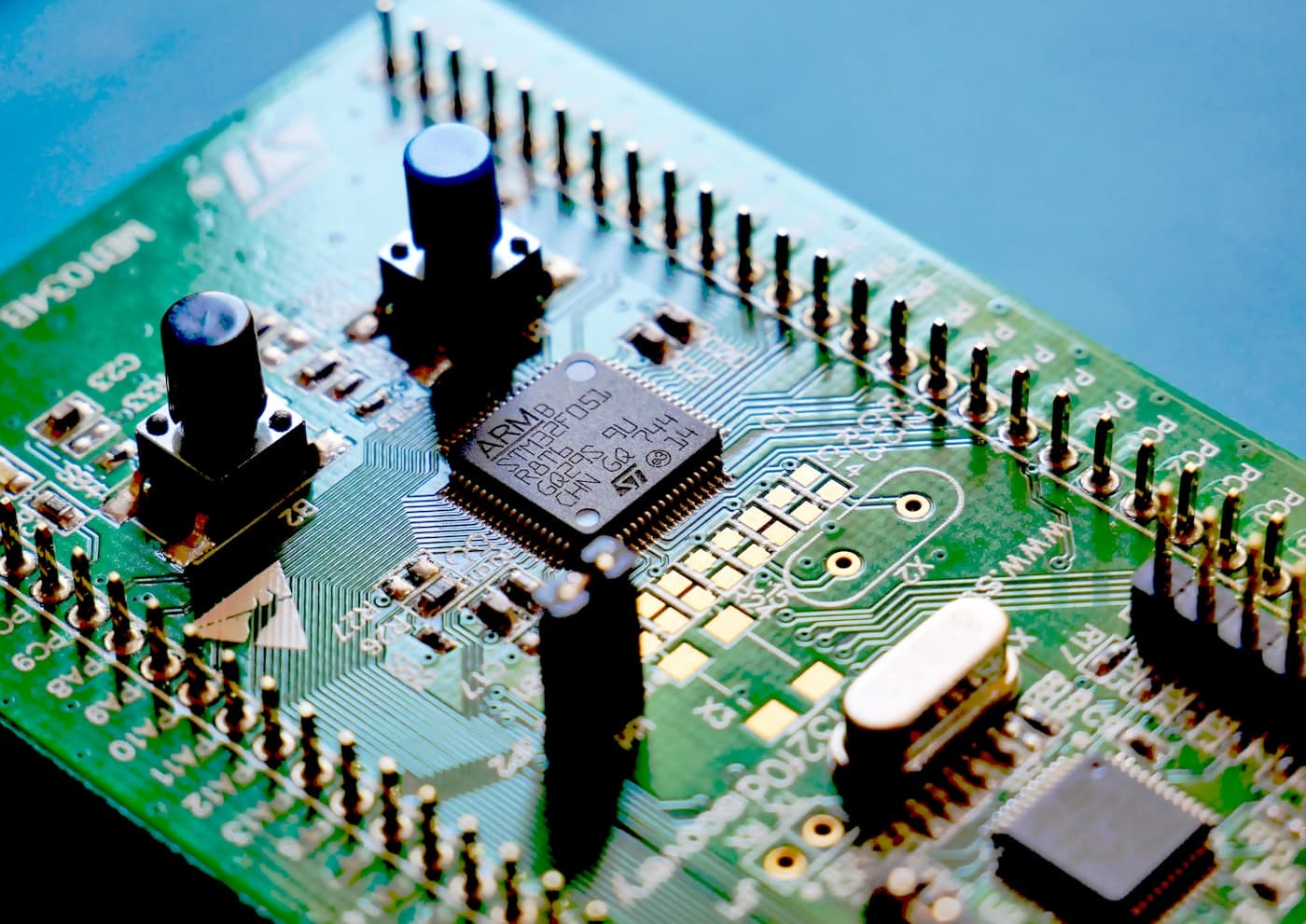
Sensor Coverage Is Not Data Quality
Connected points need identities, context and a known level of trust before they can support decisions.
1 Sept 2026 · Osmos Global Research & Knowledge Centre · 5 min read
Download this paper
The full PDF, formatted for circulation. Downloads are for members, so that we know who our research reaches.
Discussion
Add what you are seeing on the ground.