
Osmos Global Publication · Osmos Perspective
Smart Buildings Need an Operating Model, Not More Technology
Adoption is high; integration and accountability determine value
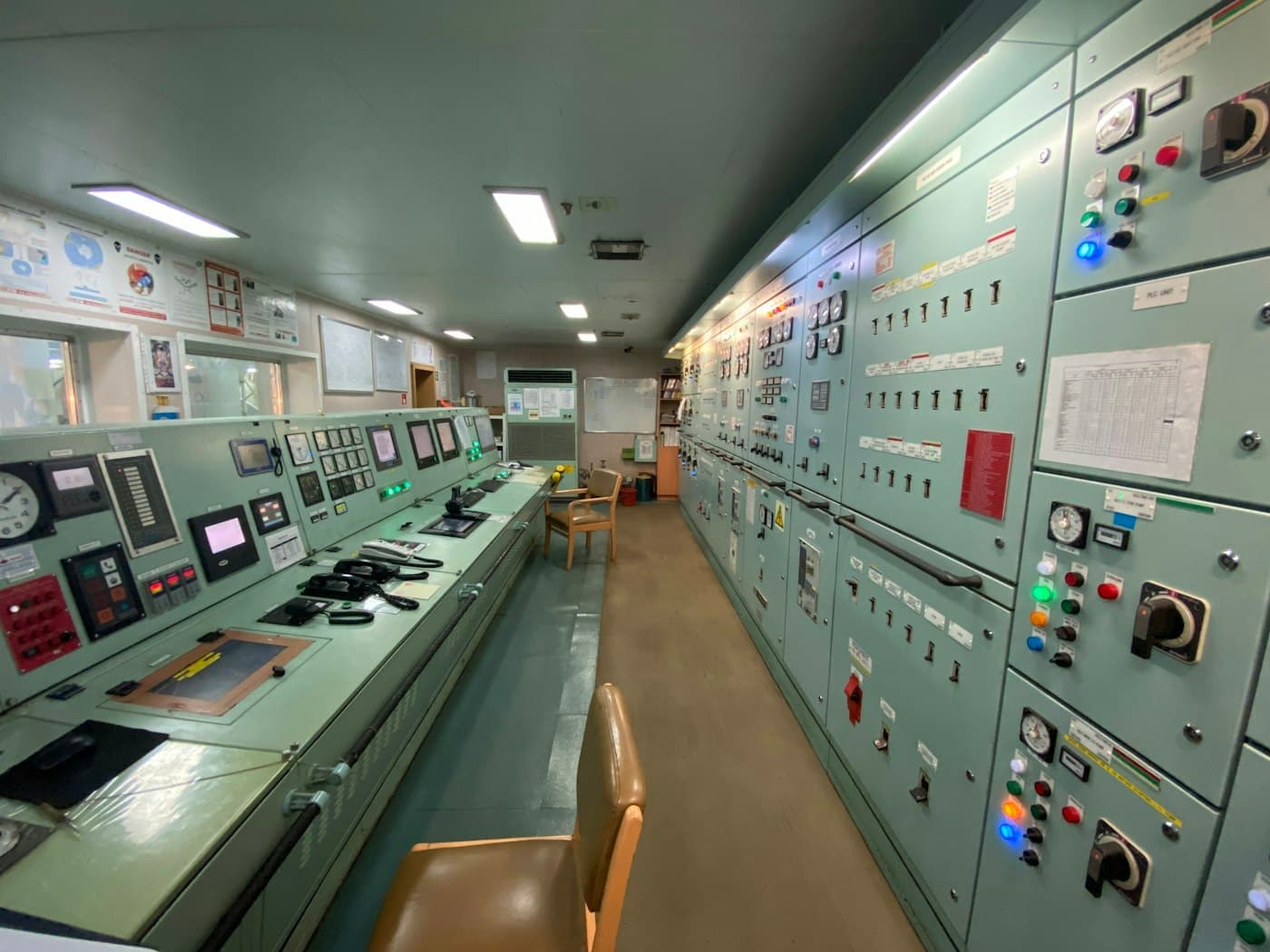
ASHB's 2025 smart-building research reported that 91% of surveyed commercial-building owners, operators, IT leaders and facility managers used smart-building systems; average spending exceeded US$550,000 per organisation; and nearly 45% were planning or open to cloud-based building-management systems.[11] The public summary establishes strong adoption, but the full report is restricted, so sample composition and weighting require confirmation before publication.
Analysis
High adoption does not guarantee an intelligent building. A property may contain connected controls, meters, access systems and sensors while still operating through disconnected teams and alarms. Technology produces value only when someone owns the decision it informs.
Osmos Global analysis: every smart-building use case needs five named elements—an operational decision, accountable owner, trusted data, response workflow and outcome measure. For example, indoor-air-quality sensing should define who receives an alert, what threshold applies, how HVAC and occupancy context are checked, when occupants are informed and how closure is recorded.
Interoperability should be treated as a lifecycle requirement. Procurement must address open interfaces, data export, cybersecurity responsibilities, identity management, support periods and change control. Otherwise, a “smart” investment can increase dependency and technical debt.
The strongest roadmap is use-case led. Begin with service reliability, energy optimisation, critical alarms or space availability. Prove operational adoption and value. Then scale the architecture. A smart building is not a catalogue of devices; it is a building that senses, decides, acts and learns through a governed operating system.
Decision lens
Recommended action. Require every smart-building use case to name an owner, workflow and measurable outcome.
Evidence basis: ASHB Smart Building Trends 2025; IEA Energy and AI 2025; WorldGBC NZERB framework. Public-page limitations apply where full reports are restricted. Rights: Original Osmos Global analysis; no third-party visual or protected table reproduced. Confirm licence status before publication.
Cite this
Osmos Global Research & Knowledge Centre (2026). Smart Buildings Need an Operating Model, Not More Technology. Osmos Perspective, Osmos Global. https://www.osmosglobal.org/articles/smart-buildings-need-an-operating-model-not-more-technology
Keep reading

Smart-Building Pilots Need an Operating Owner
An experiment becomes useful only when someone owns the decision it is meant to improve.
1 Sept 2026 · Osmos Global Research & Knowledge Centre · 5 min read
An Alert Is Not a Maintenance Outcome
Analytics creates value through verified correction, not the number of faults displayed.
1 Sept 2026 · Osmos Global Research & Knowledge Centre · 5 min read
Sensor Coverage Is Not Data Quality
Connected points need identities, context and a known level of trust before they can support decisions.
1 Sept 2026 · Osmos Global Research & Knowledge Centre · 5 min read
Download this paper
The full PDF, formatted for circulation. Downloads are for members, so that we know who our research reaches.
Discussion
Add what you are seeing on the ground.